Standing still is not a strategy
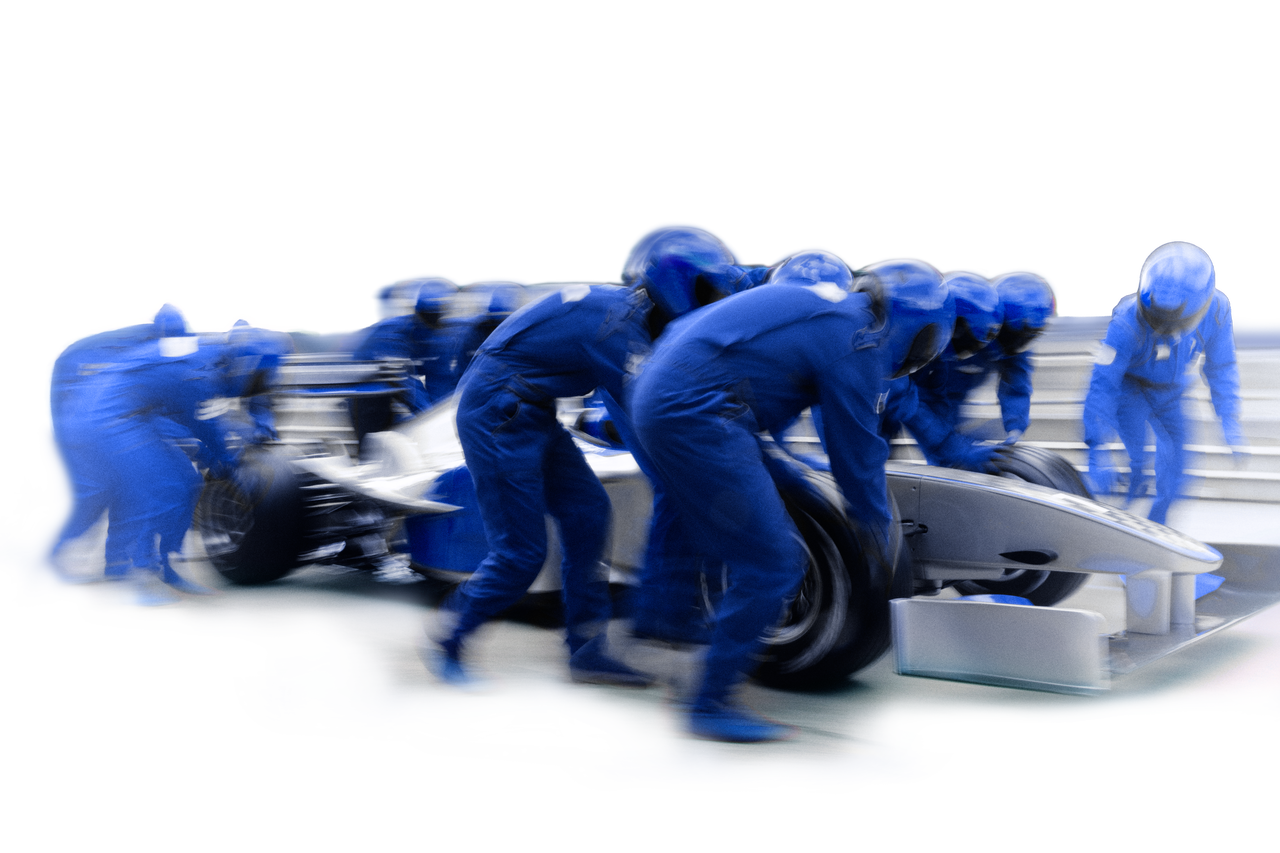
In motor racing, it’s not just speed that determines whether you win; good preparation, engineering and perfect teamwork also count. The situation in industry is very similar: individual work steps need to link together as smoothly, effectively and flexibly as possible. This is exactly where Lean management comes in.
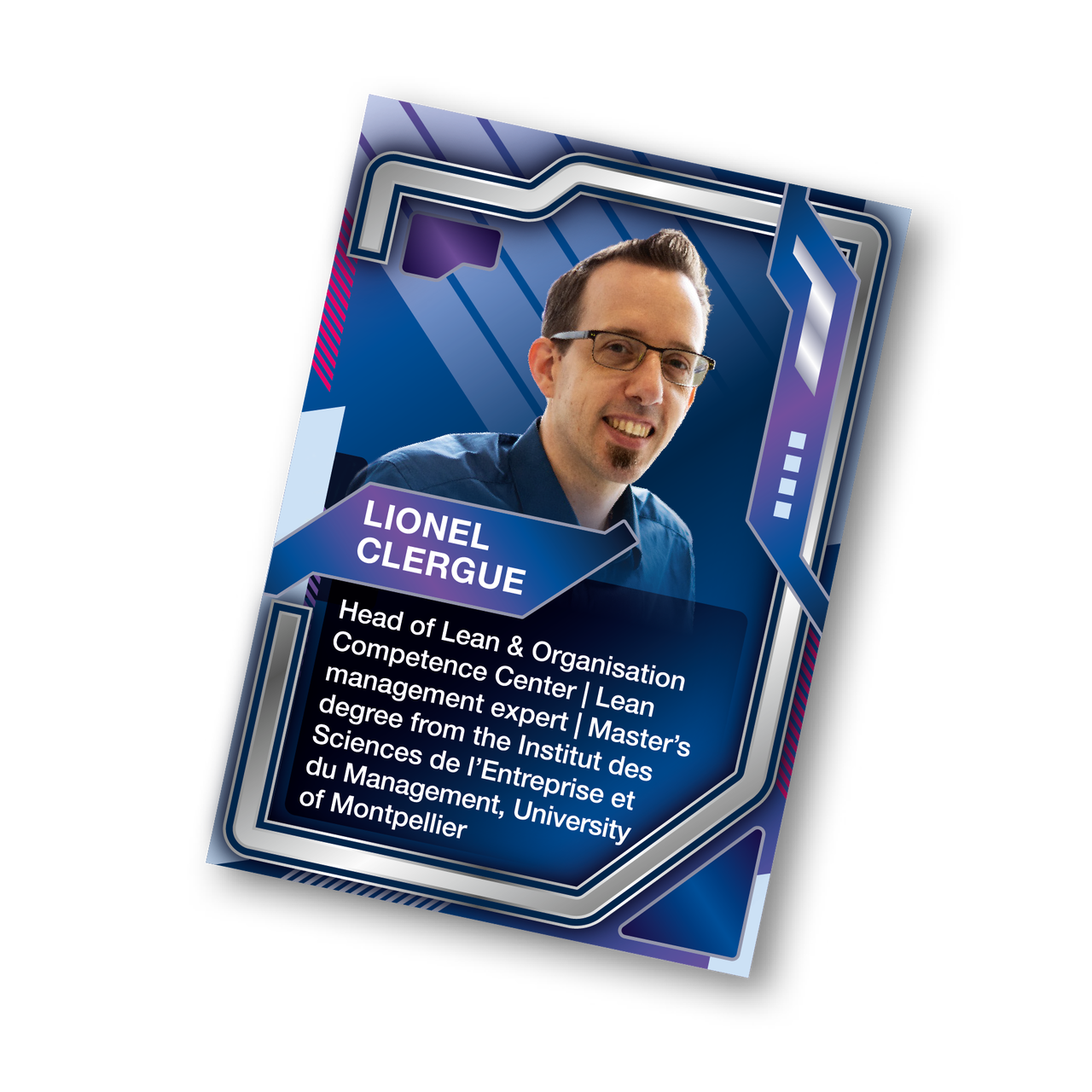
The status quo may work for a year, but it always remains a risk.” Lionel Clergue outlines his assessment clearly and without mincing his words. For around eleven months now, as head of the Lean & Organisation Competence Center for Operations Board, he has been highlighting new perspectives on how to optimise the operational workflows at the plants. This is because, if you stand still, you lose touch. Markets and technologies change all the time and the competition changes with them. The expectations of customers and partners evolve, so a company has to stay dynamic. This is where Lean management comes in. It’s not just a programme of optimisation in the short term; it’s a long-term mindset. “The challenge is to make change as natural as possible,” says Clergue. Change should not come across as something that is prescribed, but should be a natural part of daily life at work. At Progroup, this approach is very well received. “There’s a drive to do things better at all sites. Lean helps us embrace a structured process to set the right priorities. This is how we create a solid basis to make continuous improvements. There is one key question at the heart of this: Where is value created – and where is it lost?”
Finding the right speed
Just like in motor racing, the same applies at a company: speed is important, but so is controlling the pace. If you respond too quickly, you risk making the wrong decisions and using resources unnecessarily. If you act too late, you lose valuable time. Lean management therefore aims to strike a clever balance between reaction and anticipation. “It’s about recognising the right signals and acting at the right time,” says Clergue. This requires transparency in the processes, suitable key indicators and the ability to classify developments correctly. Problems are a key driving force for Lean. They present an opportunity to make improvements and therefore must not be avoided, but must be highlighted instead. You can only improve something if you recognise that there’s an issue. “A problem is always a deviation from the norm,” explains Clergue. The crucial thing is to identify this at the earliest opportunity. Small corrections at the right time are much more effective than big interventions at a later date. Processes keep moving along if they are continuously reviewed and then adjusted.
Routine versus evolution?
Processes that are working well are rarely questioned because there appears to be no reason to do so. But this is precisely where the challenge lies. Lean is all about regularly reviewing and developing processes because the general conditions in which we operate also keep changing. What was efficient in the past may present a potential area for improvement in the future. The focus is not on which tool is used, but on the mindset. “Lean isn’t a toolbox,” emphasises Lionel Clergue. “It’s a way of asking the right questions. Why do we do it this way? Is there an easier approach? And above all: does it really add value?” The focus is always on people. “Lean must be relatable to the individual,” says Clergue. “Employees need to recognise exactly how they benefit.” That’s why it’s vital to have small, visible successes, especially at the start. They will create trust and show that change can actually make everyday life at work easier. It’s then vital to work as a team: lasting improvements can only be made if people have a shared understanding and bring together different perspectives.
Different voices, one language
A key component of the Lean approach is to understand different requirements, both internally and externally. Lean refers here to different “voices” that need to be considered: customers, partners, employees. “We need to understand what’s really needed, not just what’s being said,” explains Clergue. This is because there’s often a difference between what people say they want and what’s actually needed. A demand for “more speed” can mean many different things: shorter delivery times, better predictability or greater flexibility. It is absolutely vital to articulate these requirements precisely. Only once it is clear what is really needed can processes be aligned to reflect this in a targeted way. This requires structure. It creates transparency and an ability to compare things, establishing the foundation for making an improvement. “Structure doesn’t mean prescribing something,” stresses Clergue. “It creates a framework in which things can evolve.” This creates a system that combines stability and flexibility and so remains adaptable for this very reason.
For Lionel Clergue, what makes Lean so powerful is that it provides a structure for constant change, so it is a continuous process. “There’s always something to scrutinise, always something to learn.” This openness makes Lean a dynamic system that is constantly evolving. He views his own role as being to act as a connecting force in the company: as someone who promotes engagement, combines perspectives and keeps processes moving. “To a certain extent, I see our team as being like a lubricant,” he says with a wink.
Overview of Lean management
Lean is more than just a method – it is above all an attitude. It is crucial that all
employees actively contribute their ideas, take responsibility and help shape changes.
Focus on benefit for the customer:
Only things that really add value count
Avoid waste:
Consistently reduce any
unnecessary steps
Keep processes flowing:
Enable work to be done without any waiting or interruptions
Act when required:
Only provide services when
they are actually required
Improve continuously:
Constantly question and optimise processes
Optimise the whole entity:
Each improvement at a local level should benefit the overall performance of the organisation
Respect others:
Create an environment in which everyone, whatever their role, is listened to, recognised and appreciated