GROUNDS FOR OPTIMISM
The European energy industry is undergoing a historic transformation: it’s moving away from being heavily dependent on imports and moving towards a climate-neutral, independent energy supply. There is still a long way to go to meet the goal of being able to meet the continent’s energy demand autonomously using CO₂-neutral forms of energy, but we can still achieve this goal by focusing on generating electricity. That’s because, after the era of coal followed by oil and natural gas, the age of electricity is now beginning, and this is an area in which Europe is in a much stronger position.
Opportunities and challenges for the paper and corrugated board industry
Our industry faces a challenge on two fronts: it is energy-intensive and at the same time a key player in the circular economy and resource efficiency. The switch to CO₂-neutral forms of energy opens up great opportunities – ranging from waste-to-energy concepts to the use of renewable process heat. Digital control systems and AI can be used to make production processes more energy-efficient and ensure that raw materials are recycled better. This will enable our industry to play a pioneering role in combining protection of the climate and industrial competitiveness.
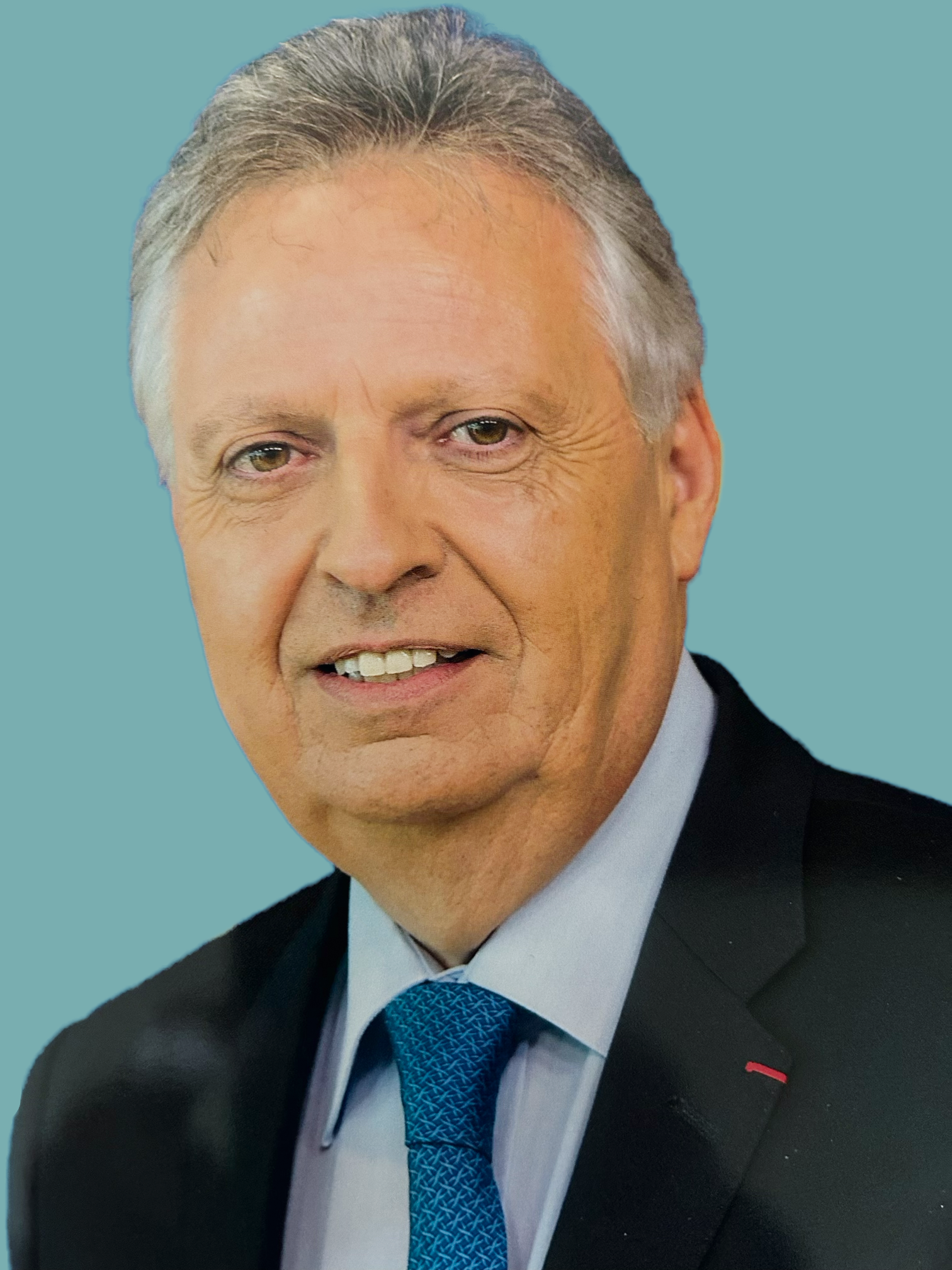
Dominique Ristori is an authoritative figure and established expert in European energy policy. The Frenchman worked in various roles for the European Commission from 1978 to 2019. Most recently, he was Director-General of the European Union's Directorate-General for Energy. He currently works as a strategy consultant.
The energy policy of the European Union is based on the priorities of security of supply, sustainability, competitiveness and sustainable development. The powers-that-be in the worlds of politics and business almost need to square the circle here. It is vital to meet the increasing demand for energy, especially the demand for electricity, which is being created primarily by digitisation, data centres and artificial intelligence. At the same time, security of supply needs to be guaranteed, which poses a major challenge in the current geopolitical context. There’s an urgent need for action on all three fronts and large-scale power generation can provide real solutions.
The reasons why the situation is critical are obvious. While energy is a top priority for our main competitors – the USA, Russia and China – this hasn’t been the case in Europe for a long time. The positive decision to open up access to the electricity and gas markets and then to separate the areas of generation, transport, distribution and supplying consumers has proven to be a sufficient solution. It has resulted in the price becoming the key (and often only) deciding factor, encouraging short-term thinking rather than longer-term goals. The decision to promote long-term contracts for renewable energies and nuclear energy is a step in the right direction because it reduces the reliance on gas and boosts carbon-free energies, which also benefit from being much more independent. At the same time, the economy has grown strongly, which has further increased the demand for energy.
Strength in renewable and nuclear energies
Alongside this, the goal of reducing greenhouse gas emissions continues to be promoted. The aim is to achieve CO₂ neutrality by 2050: a reduction of 55% by 2030 compared to 1990. The application of the principle of technological neutrality on a wider scale will help companies by giving them more freedom to achieve this goal. In addition, energy-intensive companies can access state aid more easily to enable them to compete more with their non-European rivals. These most recent decisions ought to have a positive impact in the medium term. On the one hand, they will enable us to reduce our dependence on oil and gas. And secondly, they help us to boost the competitiveness of our economy.
The EU is already the only major economic player to generate two-thirds of its electricity CO₂-free using renewable energies and nuclear energy, and this contributes to CO₂ neutrality. Even though there is not yet clear evidence of this everywhere, the trend towards CO₂-free energy and energy security will continue to grow around the world over the coming years. It really is important for all countries to have the best possible combination of climate neutrality, competitiveness and energy security.
Need to make up ground on storage technology
Some progress has already been made, but there is still plenty of work to do. That’s because an essential prerequisite to enable the further expansion of renewable energies is still missing: powerful and affordable storage technology. Over the course of the year, there are still too many days when it is simply not possible to feed the excess electricity that is produced from solar and wind energy into the grid. This is a huge waste of resources. It’s now time for the EU member states, on the basis of the European legal framework, to encourage companies to invest in storage solutions. To guarantee the stability of the European electricity grid, it’s essential to develop different forms of storage as quickly as possible alongside the expansion of solar and wind energy. Maintaining baseload nuclear production will also enable stable management of a system that aims to become fully carbon neutral. This is an area that requires immediate action, and the ways that companies innovate to create new storage systems will contribute to this.
We will only be successful if the European Union, the member states and companies all work together closely. There is still plenty of room for improvement. Unfortunately, dialogue was not always efficient in the past. We also need strategic goals at a European level as well as short-term and medium-term goals for member states and companies that are realistic and achievable. And then we should have faith in the creativity and potential of the economy. I’m confident that it will deliver the right results.
I’m much more optimistic now than I was a year ago that we will be able to achieve the goal of covering our own demand for energy independently using CO₂-neutral forms of energy and at the same time strengthen our competitiveness and the sustainability of our economy. It is becoming increasingly clear that we need to set realistic goals without any bureaucratic obstacles. The first measures in this regard have already been taken, and business is increasingly contributing its own solutions. Today companies need to make greater investments in innovations so they can fully deliver the transformation of the European energy system in its three dimensions – security, competitiveness and sustainability. In return for this, the increasing production of clean energy in Europe, especially electricity, will make an important contribution to enhancing our competitiveness and independence.